
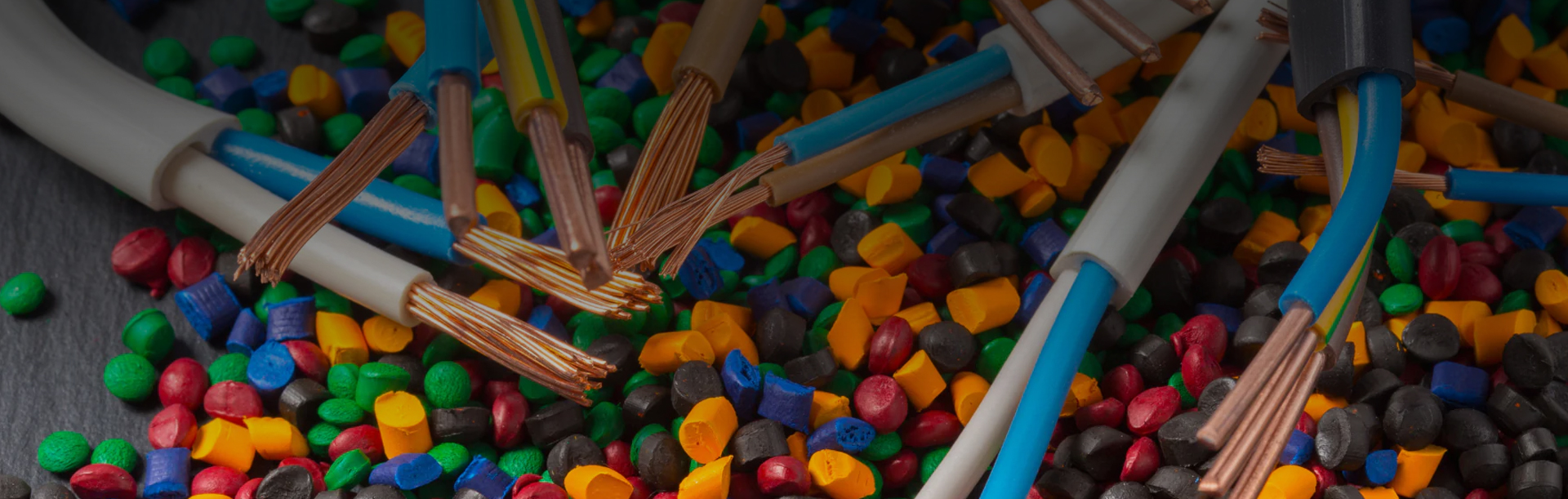
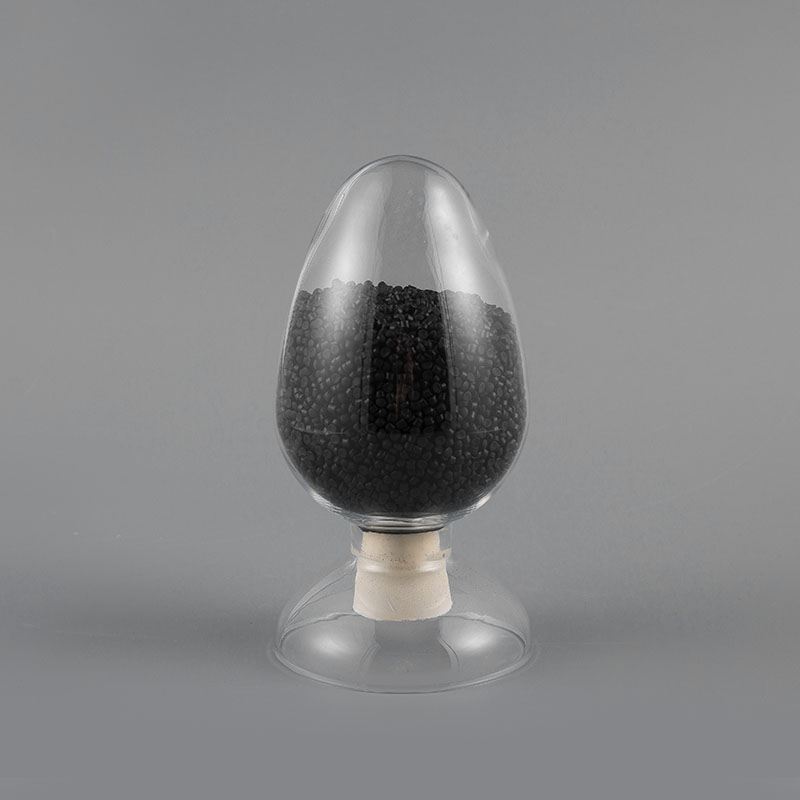
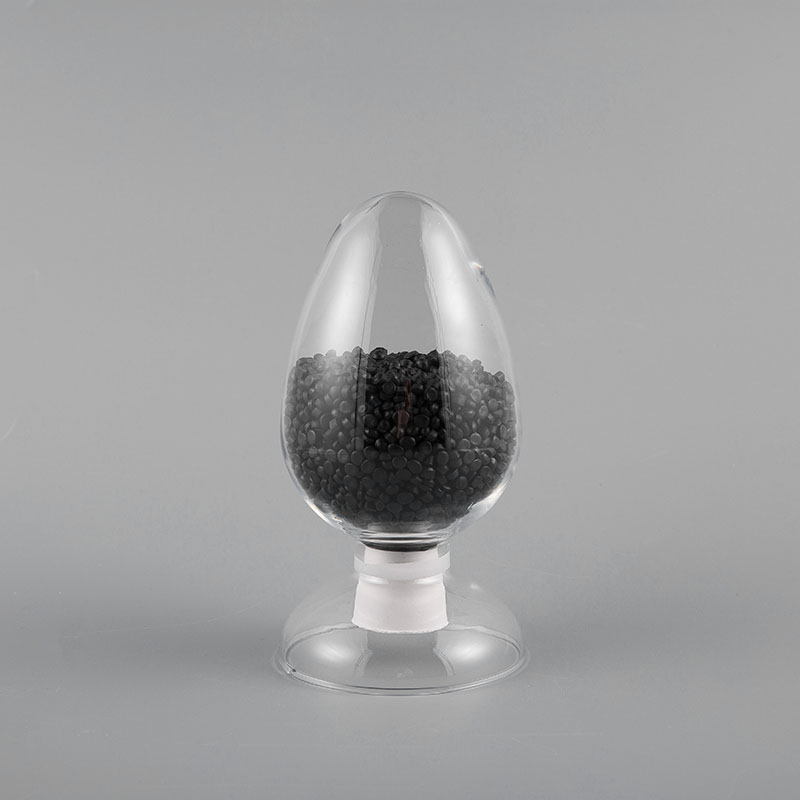
A Polyvinyl Injection Compound earns its place in a toy production line through a narrow set of technical properties: melt flow behavior, impact resistance, color stability, and safety compliance. Get any one of these wrong and the result shows up on the production floor as molding defects, or later as a product that fails durability testing.
The compound feeding an injection press determines both how smoothly production runs and how the finished toy performs once it reaches a child's hands.
Good melt flow behavior and consistent filling reduce molding defects and keep production efficiency high across long runs.
Impact resistance, surface quality, and dimensional stability directly shape how a toy holds up to handling and how it looks on a shelf.
Stable processing parameters reduce downtime and keep large production batches consistent from the first unit to the last.
A compound's real value shows up in consistency, not peak performance. A material that molds the same way in batch 500 as it did in batch 1 is worth more than one with a slightly better spec sheet and unpredictable behavior.
Five technical and compliance factors determine whether a compound actually fits a specific toy production line.
Impact Resistance by Compound Grade (Joules)
The same compound family serves three production contexts, each weighting the five selection factors a little differently.
Standard vs Premium Compound Grade
Four checks confirm a supplier can actually deliver on the material spec they quote.
| Evaluation Area | What to Verify |
| Raw Material Quality | Batch stability and consistency across production runs |
| Technical Support | Material recommendations and processing guidance |
| Supply Capacity | Bulk supply capability and custom formulation options |
| Documentation | Technical data sheets, quality certificates, compliance records |
Choosing material based only on unit cost, which often means poor molding performance and inconsistent quality.
Weigh processing performance and durability alongside price before committing to a compound.
Ignoring compatibility with existing injection machine parameters and mold design.
Confirm processing compatibility with your specific equipment before ordering at scale.
Overlooking long-term supply stability, which risks production planning and delivery reliability.
Evaluate a supplier's bulk capacity and delivery track record, not just their sample quality.
Looking for reliable polyvinyl injection compound solutions for toy injection molding applications? Contact us for customized material support.
Polyvinyl Injection Compound selection plays a direct role in molding efficiency, product durability, and manufacturing consistency. Toy manufacturers who evaluate suppliers on quality stability, technical support, and customization capability build a more reliable, competitive production line.
Mid-range melt flow rates generally work best for complex toy geometries, though thin-walled or intricate parts may need a higher flow grade.
Yes, restricted substance control and material safety standards vary by grade and target market, so compliance should always be confirmed with the supplier.
Many suppliers offer custom formulation for hardness, color, and specific performance requirements tailored to individual toy designs.
Inconsistent material batches are a common cause of unplanned downtime, making batch stability one of the most important supplier evaluation points.
N. 259 Xingyu Street, distretto di Lin'an, città di Hangzhou, provincia di Zhejiang
+86-0571-63763088
CONTATTACI Progetto creativo? Facciamo una chiacchierata produttiva.
Diritto d'autore© Hangzhou Meilin Nuovi Materiali Technology Co., Ltd. Tutti i diritti riservati. Produttori di materiali per cavi e fili elettrici personalizzati
